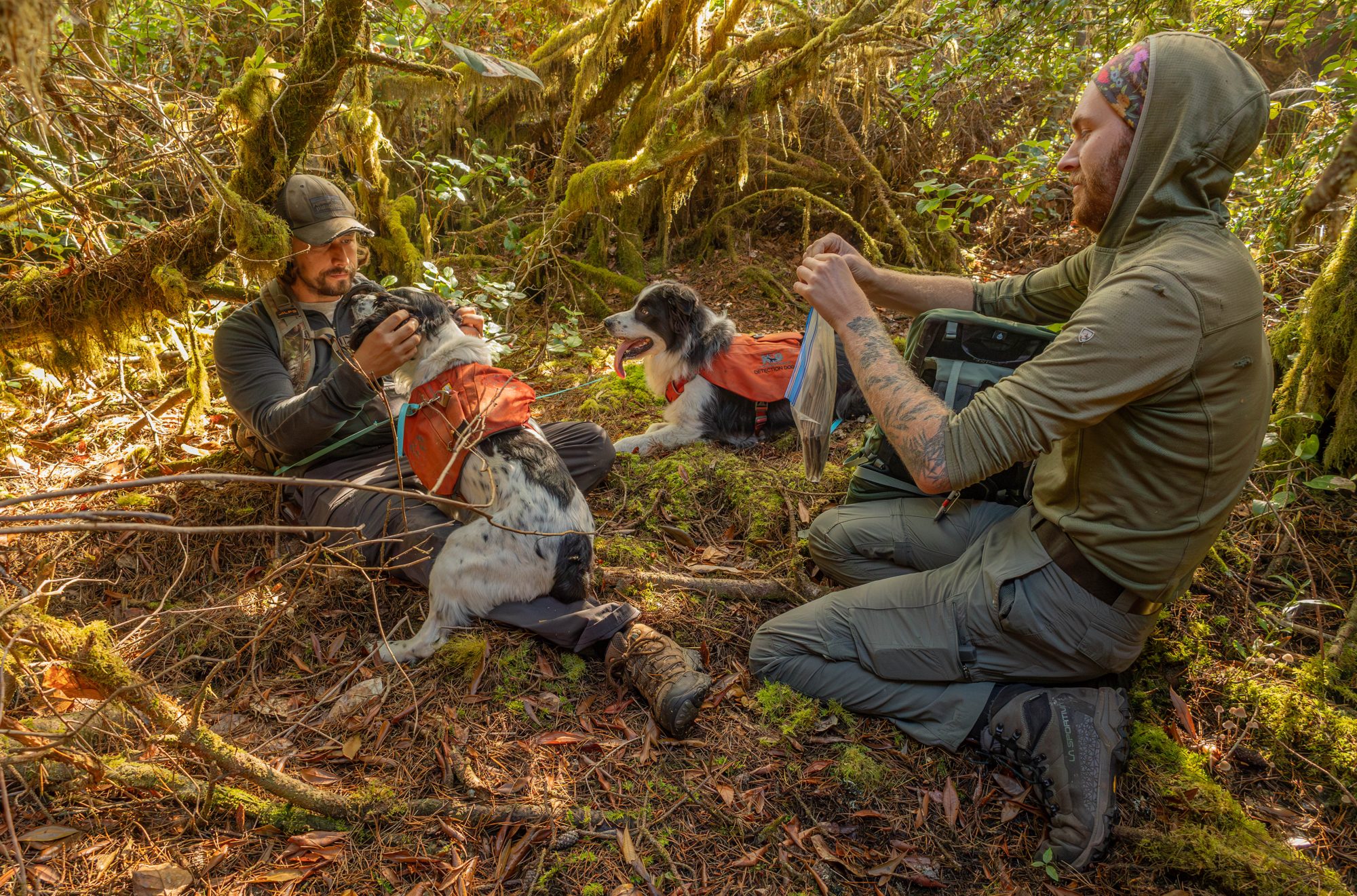
Field crew and a detection dog resting in a mossy coastal forest
Our team

The people behind the science.

People

The people leading the work

Each project in the lab is led by one of the people below, from study design through analysis and publication. Most spend their share of nights in a truck waiting on a trap.

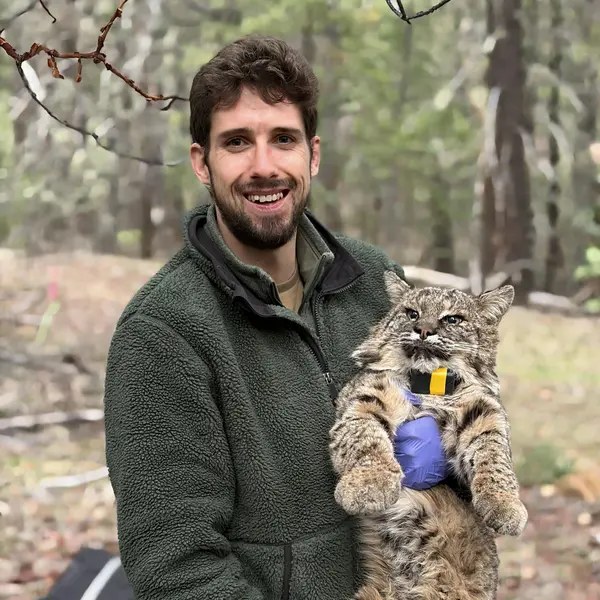
Joshua Twining holding a GPS-collared bobcat during fieldwork

Dr. Joshua Twining

Principal investigator · Assistant Professor

I am a population ecologist with broad interests in how we monitor and manage wildlife populations. My research spans the drivers of mammal and bird distributions and population dynamics, carnivore conservation and management, and the interactions among species that shape both. One thread runs through all of it: quantitative methods, developed and applied in close collaboration with the agencies, growers and communities who need the answers, and aimed at outcomes that work for both people and wildlife.

I joined Oregon State University in November 2024. Here I lead the Applied Quantitative Ecology Lab, teach mammalogy, wildlife in agricultural ecosystems and applied hierarchical modelling, and serve as Statistical Innovations Editor at Ecology.
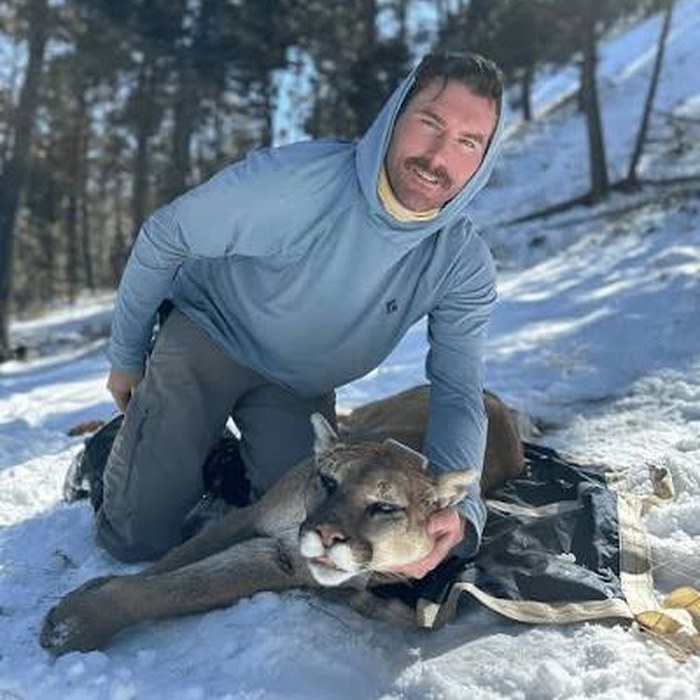
Wes Binder kneeling in snow beside a sedated cougar during a winter capture

Dr. Wes Binder

Postdoctoral scholar

Wes did his PhD at Oregon State University studying multi-species interactions between cougars and wolves in Yellowstone National Park. Now he leads the cougar component of our southern Oregon carnivore project with the Oregon Department of Fish and Wildlife: capturing and GPS-collaring cougars each winter, and working out how they share the landscape with bobcats and fishers.

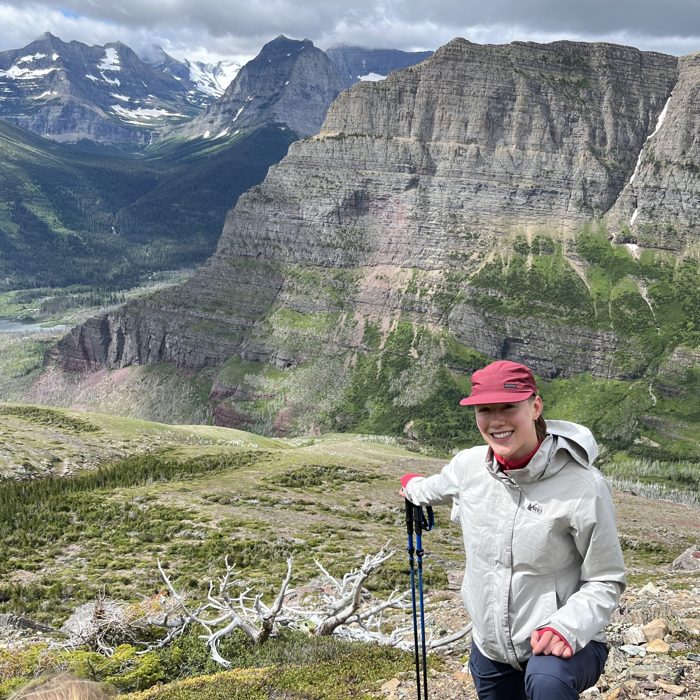
Jessalyn Ayars on a mountain trail

Jessalyn Ayars

PhD student · NSF Graduate Research Fellow

Jessalyn studies how species interactions and habitat combine to shape population-level outcomes. For her dissertation she works on fishers, bobcats and cougars in southern Oregon, evaluating broad-scale habitat use, fine-scale movement, and dietary overlap and predation to understand what these interactions mean for fisher conservation. She graduated from Carleton College in 2021 and held a post-baccalaureate fellowship at the University of New Mexico and the USFS Rocky Mountain Research Station before joining OSU.

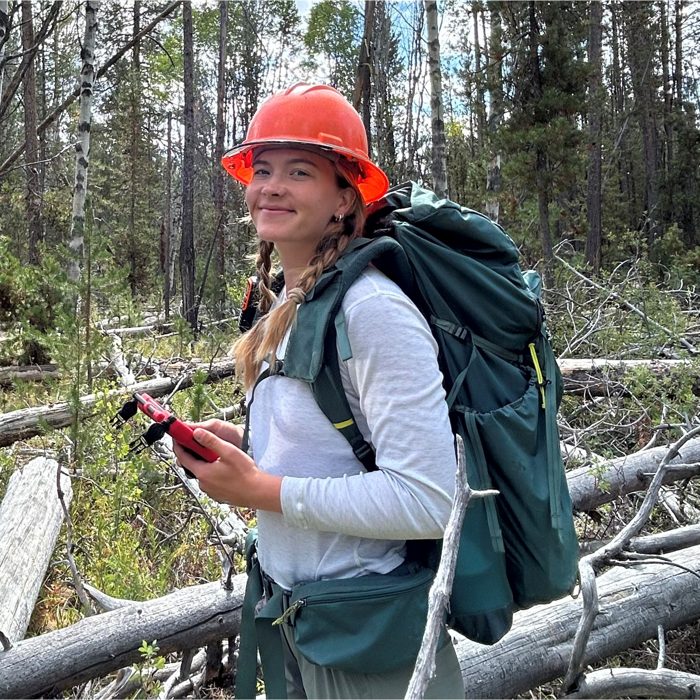
Noelle Foster in a hard hat and field pack in a burned forest

Noelle Foster

PhD student · NSF Graduate Research Fellow

Originally from Boise, Idaho, with a BS from Weber State University in Ogden, Utah, Noelle studies post-fire ecology, using passive acoustic monitoring, point counts and remote cameras to understand how birds and mammals respond to wildfire and land management in burn scars outside Roseburg. She is co-advised by Dr. Melanie Davis. Outside research she loves time with her community and outdoors: playing sports, running, hiking and birding.

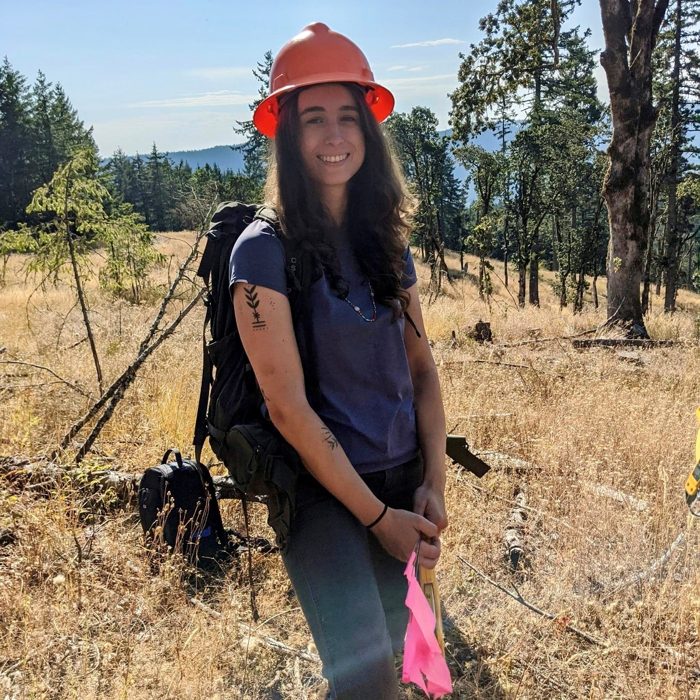
Tessa Chesonis in a hard hat standing in dry oak woodland

Tessa Chesonis

PhD student

Tessa studies non-invasive methods for monitoring wildlife, from optimising remote-camera survey design for coastal marten in northern California to testing airborne environmental DNA as a way of detecting terrestrial wildlife communities. Before joining the lab she earned an MRes in Wildlife Conservation at the University of Southampton, studying feeding-patch selection by large grazers in Zimbabwe. She is interested in tools that directly support wildlife management and conservation.

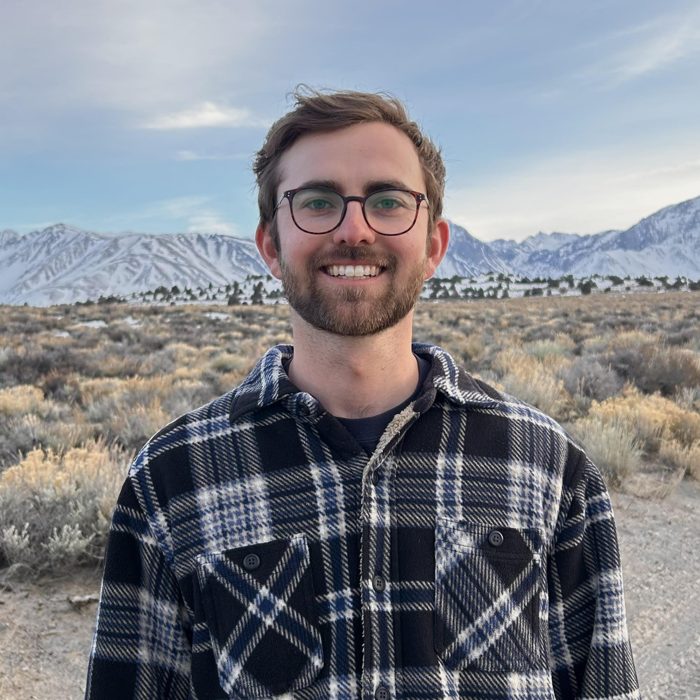
Austin Nash smiling in front of a mountain range

Austin Nash

PhD student

Austin studies the population dynamics of the gray-tailed vole in the Willamette Valley: what drives its booms and crashes, and what role disease and movement play. His work combines long-term live-trapping and open spatial capture–recapture models with disease monitoring and biologging, alongside the valley's growers.

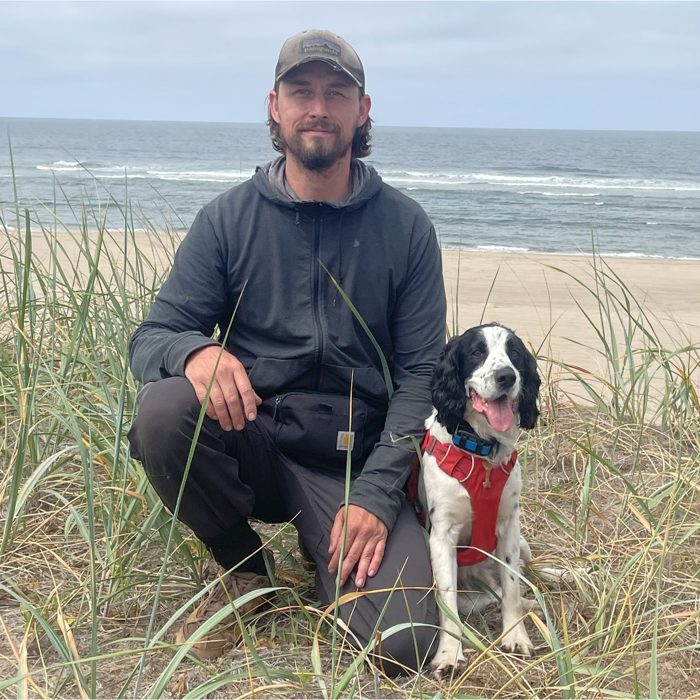
Dax Morfin crouched in dune grass beside a detection dog on the Oregon coast

Dax Morfin

PhD student

Dax studies the abundance and demographics of coastal marten on the Oregon coast, combining scent-detection dog surveys and non-invasive genetics with spatial capture–recapture models. He is co-advised by Dr. Taal Levi.

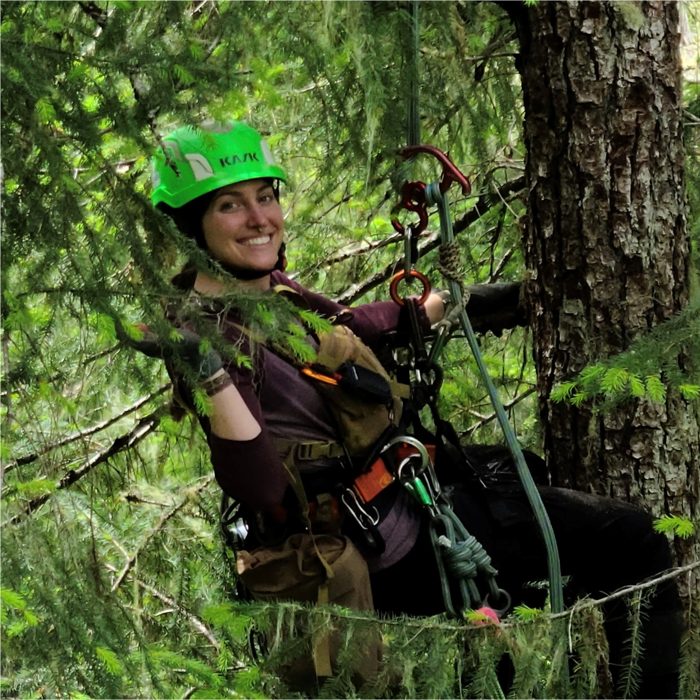
Mackenzie McCoy in climbing gear high in a conifer

Mackenzie McCoy

PhD student

Mackenzie is developing landscape-scale monitoring for the western gray squirrel, using non-invasive genetics, spatial capture–recapture and simulation-based power analyses to estimate abundance and design surveys that can detect change. She joined the lab in June 2026.

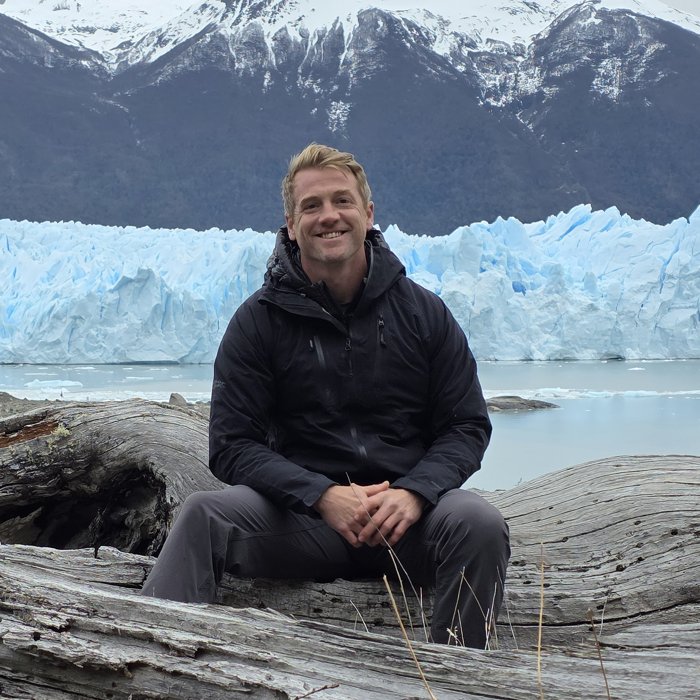
Aaron Henderson sitting on driftwood in front of a glacier

Aaron Henderson

MS student

Aaron studies the distribution of great horned owls and their interactions with barred owls, applying occupancy and multi-species models to recordings from a network of autonomous recording units. He is co-advised by Dr. Damon Lesmeister of the USDA Forest Service.

Field crews & alumni

The people who make the data

Every season the lab depends on field technicians, detection-dog handlers, capture crews and undergraduate assistants who trap, track, climb and process samples in every kind of Oregon weather. If you have worked a season with us, thank you. You are part of this lab, and we would love to hear where you have landed.

Upcoming field positions are listed on our opportunities page.

Partners & supporters

Who we work with

Our research is designed with, and for, the agencies, industries and communities that steward wildlife. We are a member of the Cascadia Wildlife Lab.

  • Oregon Department of Fish and Wildlife
  • Cascadia Wildlife Lab
  • NCASI
  • USDA Forest Service
  • Washington Department of Fish and Wildlife
  • Willamette Vole Management working group
  • OSU Extension Service
  • USGS Oregon Cooperative Fish and Wildlife Research Unit
  • Oregon Grass Seed Commissions
  • Fish and Wildlife Habitat in Managed Forests Research Program
  • National Science Foundation
Join us

Thinking about graduate study or a field season with us?